Choosing Between MT4 and MT5 in the UK: How British Traders Use These Platforms in Practice


For many retail traders in the UK, the choice between MetaTrader 4 and MetaTrader 5 is not about which platform is newer or more advanced on paper. It is about how each platform fits into real trading routines, broker structures, and regulatory conditions.
Across mt5 mt4 brokers in the UK, both platforms remain widely available, yet British traders often use them in very different ways. Some prioritise speed and familiarity. Others focus on market access, analytical depth, or long-term flexibility. The decision is rarely theoretical.
At FXTrading.com, we see this distinction clearly. UK traders tend to choose MT4 or MT5 based on how they actually trade, what instruments they focus on, and how they manage time and risk within FCA-regulated environments.
This article looks beyond surface-level feature comparisons. Instead, it explores how British traders use MT4 and MT5 in practice, where the core differences really matter, and how mt5 mt4 brokers in the UK support these platforms in day-to-day trading.
Key Takeaways
- MT4 remains widely used in the UK by forex-focused traders who value simplicity and execution speed.
- MT5 is increasingly preferred by British traders seeking access to indices, shares, and multi-asset strategies.
- Core differences between MT4 and MT5 affect workflow, analysis, and trade management, not just features.
- UK traders often select platforms based on broker product structure rather than platform version alone.
- Many mt5 mt4 brokers in the UK position MT4 for legacy forex trading and MT5 for future-focused market access.
The UK Trading Context That Shapes Platform Choice

Before comparing MT4 and MT5, it is important to understand the environment in which British traders operate. Platform usage in the UK is shaped by regulation, broker execution models, and trader behaviour.
FCA Regulation and Its Practical Impact
For retail traders based in the UK, the trading environment is shaped by rules set by the Financial Conduct Authority (FCA), including limits on leverage, margin close-out requirements, and negative balance protection. These rules apply to FCA-authorised brokers operating in the UK market and influence how trading platforms are typically offered and configured for UK retail clients.
From a trader’s perspective, this means platform choice is often driven less by maximum feature flexibility and more by how efficiently a platform functions within the regulatory conditions commonly encountered in the UK market.
How British Traders Typically Trade
UK retail traders commonly fall into a few broad groups:
- Forex-focused traders who specialise in major and minor currency pairs
- Part-time traders balancing market activity with full-time employment
- Strategy-driven traders using structured technical analysis
- Traders gradually expanding into indices, commodities, or share CFDs
Each profile interacts differently with MT4 and MT5, which is why both platforms continue to coexist across mt5 mt4 brokers in the UK.
Core Differences Between MT4 and MT5 in Real UK Trading Conditions

Although MT4 and MT5 share visual similarities, British traders experience meaningful differences once they begin trading live. These differences influence how traders analyse markets, manage trades, and structure their workflows.
Market Access and Instrument Coverage
One of the most important differences for UK traders is what each platform allows them to trade.
- MT4 is primarily used for forex trading in the UK. Most FCA-regulated brokers restrict MT4 accounts to currency pairs and a limited range of CFDs. This suits traders who focus exclusively on forex and do not require exposure to other asset classes.
- MT5 is designed for broader market access. UK traders using MT5 often do so to trade indices, commodities, and share CFDs alongside forex. This makes MT5 more suitable for traders managing diversified exposure within a single platform.
In practice, many MT5 MT4 brokers in the UK position MT4 as a forex-centric platform and MT5 as a multi-asset solution.
Trading Workflow and Platform Structure
Workflow differences strongly influence platform preference.
- MT4 is valued by British traders for its simplicity. The interface is lightweight and familiar, allowing traders to focus on execution rather than navigation. This is particularly appealing to traders who execute frequently or trade short-term price movements.
- MT5 introduces a more structured environment. It includes additional analytical panels, deeper market information, and expanded order functionality. UK traders who plan trades in advance or analyse multiple instruments often find MT5 better aligned with their workflow.
The choice often reflects whether a trader prioritises speed and familiarity or structure and depth.
Order Types and Trade Management
Trade management is another area where differences become clear in real use.
- MT4 offers essential order types that cover most retail forex strategies. Market orders, stop losses, and take profits are sufficient for many UK traders.
- MT5 expands on this with additional pending order types and more detailed trade controls. Traders using layered entries, partial exits, or structured risk management often prefer MT5 for this reason.
This difference matters most to traders managing multiple positions or trading volatile market conditions.
Analysis, Timeframes, and Data Handling
Technical analysis plays a central role in platform selection.
- MT4 provides a solid analytical foundation but offers fewer built-in timeframes and indicators. For many UK traders, especially those using custom indicators, this is more than adequate.
- MT5 offers a wider range of timeframes and analytical tools by default. Traders conducting multi-timeframe analysis or switching between intraday and higher-timeframe views often favour MT5.
This is particularly relevant for UK traders who trade around work schedules and need flexible analytical tools.
Strategy Testing and Automation
Automation highlights one of the more technical differences.
- MT4 remains popular among UK traders using legacy expert advisors. Many long-standing strategies were built specifically for MT4 and continue to perform well.
- MT5 introduces faster, multi-threaded strategy testing. Traders actively developing or optimising automated systems often prefer MT5 for its efficiency and scalability.
However, this advantage is most relevant to traders who actively build and refine strategies rather than relying on pre-built tools.
Broker Support and Long-Term Direction
Broker positioning influences platform usage more than many traders realise.
While many MT5 MT4 brokers in the UK continue to support MT4 due to demand, MT5 is often prioritised for new asset classes and platform development. UK traders may find that newer products appear on MT5 before MT4.
This does not mean MT4 is disappearing, but it does suggest that traders should consider future broker support when choosing a platform.
How UK Traders Use MT4 in Practice
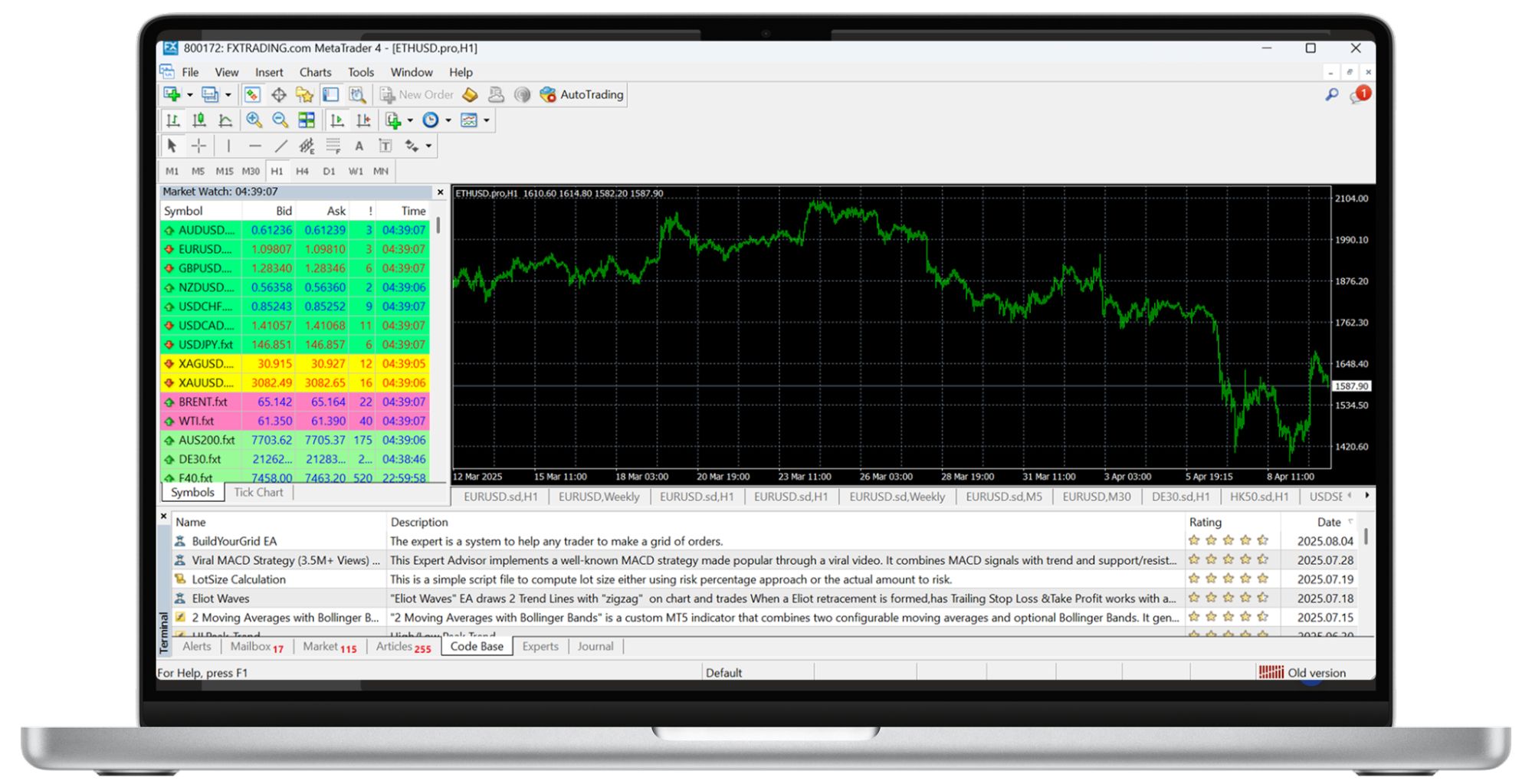
Despite being the older platform, MT4 remains widely used in the UK.
Forex-Focused Trading and Execution Speed
MT4 is particularly popular among UK traders who trade forex exclusively. Its streamlined interface supports quick decision-making and efficient execution.
For traders focused on major currency pairs, MT4 offers everything needed without unnecessary complexity.
Strategy Continuity and Familiarity
Many British traders have spent years refining MT4-based strategies. The platform’s extensive indicator ecosystem and expert advisor compatibility provide continuity that traders are reluctant to abandon.
This long-term familiarity is one of MT4’s strongest advantages.
How UK Traders Use MT5 in Practice
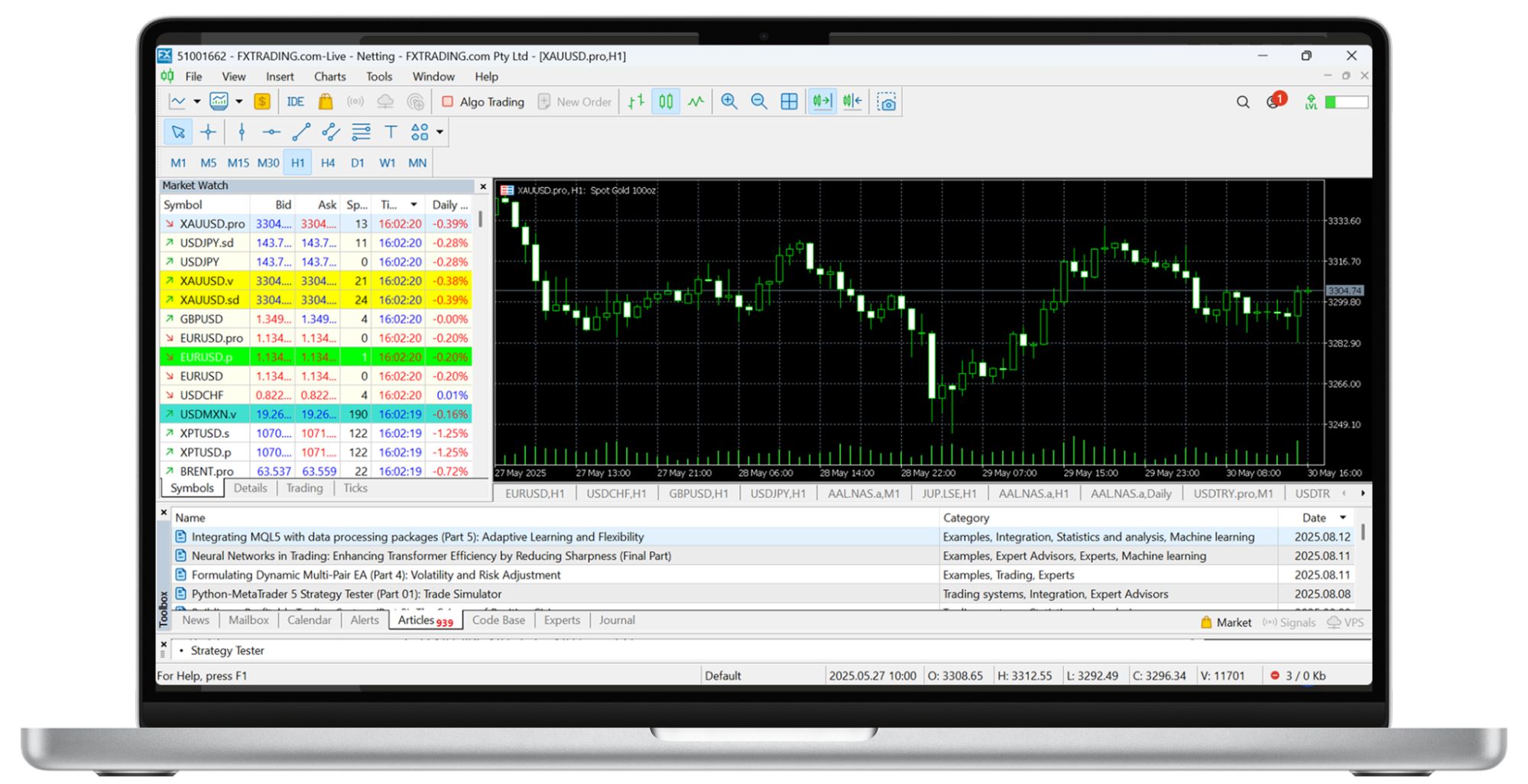
MT5 adoption in the UK continues to grow, particularly among traders expanding beyond forex.
Multi-Asset and Portfolio-Style Trading
UK traders using MT5 often do so to manage exposure across multiple asset classes. The ability to trade indices, commodities, and share CFDs alongside forex supports more diversified strategies.
This appeals to traders treating trading as part of a broader investment approach.
Structured Analysis and Trade Planning
MT5’s expanded analytical tools attract traders who plan trades carefully. UK traders who rely on detailed charting, timeframes, and structured entries often prefer MT5.
The platform supports a more deliberate trading style.
Practical MT4 vs MT5 Comparison for UK Traders
| Area | MT4 in the UK | MT5 in the UK |
| Primary Use | Forex-focused trading | Multi-asset trading |
| Asset Coverage | Forex and limited CFDs | Forex, indices, shares, commodities |
| Interface Style | Simple and familiar | Structured and analytical |
| Timeframes | Fewer standard options | Expanded timeframe selection |
| Order Flexibility | Core order types | Advanced order management |
| Automation | Legacy EA support | Faster strategy testing |
| Broker Direction | Widely supported | Increasingly prioritised |
How MT5 MT4 Brokers in the UK Influence Platform Choice
Platform choice in the UK is often influenced by how brokers package their accounts, not just by trader preference.
Account Structure and Market Access
UK brokers commonly position MT4 for forex-focused accounts, while MT5 is linked to multi-asset access, including indices, commodities, and shares. Traders looking beyond currencies are therefore more likely to be directed toward MT5 through account eligibility rather than platform features alone.
Pricing and Execution Differences
Brokers may apply different spreads, commissions, and execution models depending on the platform. MT5 accounts often come with tighter pricing or more advanced order functionality, which can influence platform selection for cost-sensitive or higher-volume traders.
Broker Strategy and Platform Prioritisation
Some FCA-regulated brokers increasingly treat MT5 as their primary platform for new accounts due to its flexibility and system compatibility. MT4 is often retained to support existing users, subtly shaping long-term platform adoption trends.
Understanding these broker-level decisions helps traders assess MT4 and MT5 based on actual trading conditions, not just technical comparisons.
Trading with MT4 and MT5 Through FXTrading.com
At FXTrading.com, we work with UK traders who use both MT4 and MT5 for different reasons, recognising that platform choice depends on trading style, experience, and long-term goals. We support both platforms so traders can evaluate what genuinely fits their workflow under real market conditions.
If you are assessing how MT4 or MT5 fits into your trading approach, you can contact us to discuss platform access, broker conditions, and account setup options to better understand which environment aligns with your strategy.
Frequently Asked Questions
Can UK traders use both platforms at the same time?
Yes. Many traders maintain separate accounts and use MT4 and MT5 for different markets or strategies.
Do MT5 MT4 brokers in the UK offer the same spreads on both platforms?
Not always. Pricing and execution can vary depending on platform structure and account type.
Is MT5 replacing MT4 in the UK?
MT5 is gaining adoption, but MT4 remains widely used, particularly for forex trading.
Is MT5 more complex than MT4?
MT5 offers more tools and features, which can require a learning period, but many traders find the added structure beneficial.
Which platform is better for beginners?
Many beginners start with MT4 due to its simplicity, then transition to MT5 as their needs evolve.